 By
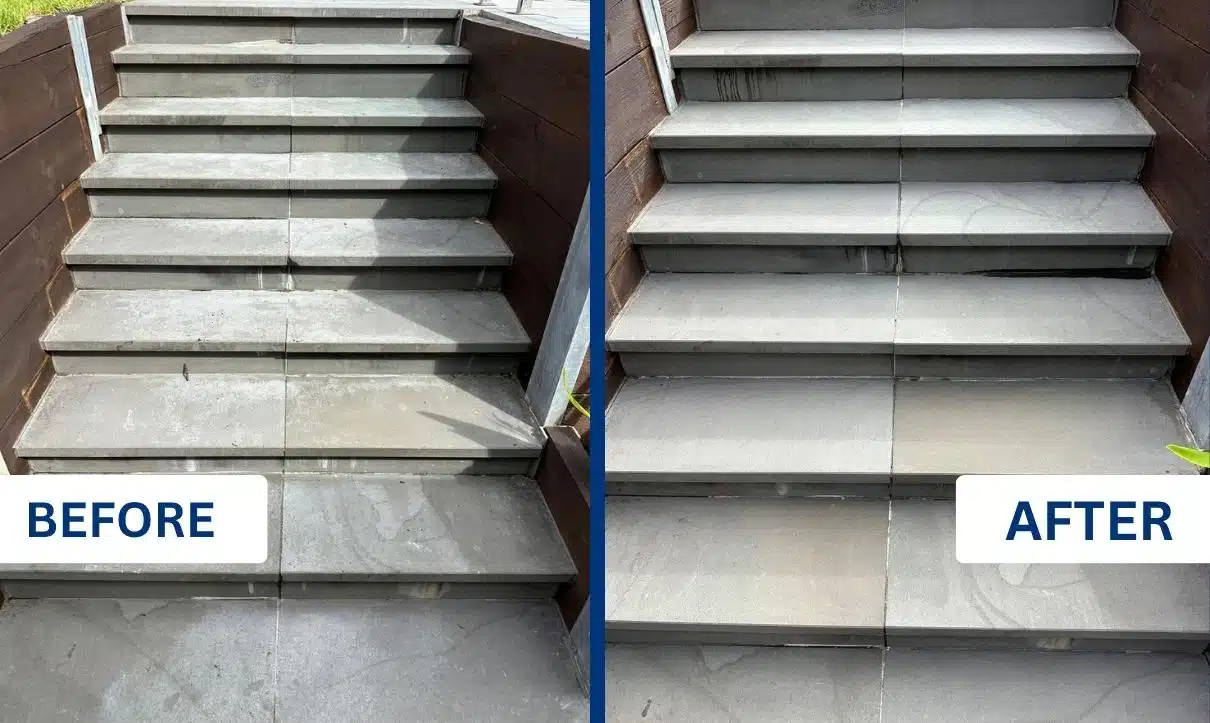
By Bluestone can provide a unique natural look to a floor, ensuring not become too shiny or artificial-looking. However, when dirt, grit, spills, and moisture start to make an appearance on the surface, dirt marks can start to show even on the best-looked-after surfaces. The problem often lies not with the stone personally but rather with how the stone is looked after.
Regular bluestone cleaning and sealing will contribute to the overall care regime more than just an isolated job. Cleaning on a regular basis will help to eliminate dirt from the surface of the floor, while appropriate sealing will offer extra protection after the correct preparation of the floor has been made. Understanding the best approaches and tasks to avoid will facilitate regular maintenance significantly.
Why Is Bluestone Unique Compared to Conventional Flooring?
Bluestone is a natural stone, thus, its surface has certain features that should be considered while cleaning it. The surfaces are subject to foot traffic, dirt brought from outside, spills of fluids, moisture, and other household activity. Outdoor areas can also collect leaves and other organic waste.
These pollutants may not appear to be very serious when considered on their own. However, if they are left on the surface, cleaning the floor will become increasingly complicated.
Regular home maintenance is already common across Australia. According to the Australian Bureau of Statistics, 47% of households reported that repairs or maintenance had been carried out on their current dwelling in the previous 12 months in 2019–20. Tile repair or maintenance was reported by 5.5% of households. With tile repair or maintenance already among the reported categories, it’s clear that floor surfaces, including Bluestone, are part of this broader routine of home upkeep across Australia.
How Should You Clean Bluestone Safely?
A sensible cleaning routine starts with removing dirt before trying to deal with heavier buildup. Grit left on a busy floor can be moved around by foot traffic, while leaves and other debris can remain on outdoor surfaces after rain or wind.
A practical approach includes:
- Pour liquid dirt out first: Either by sweeping or using a vacuum to remove dirt and debris.
- Use the right cleaner: Make sure to use a cleaner that has the right chemical properties for natural stone.
- Use a gentle method of cleaning: Suitable cleaning equipment can help remove surface dirt without too much strain on the surface.
- Properly rinse: Do not leave cleaning products on the surface.
- Let the floor dry: This will allow you to see the floor clearly and spot the areas that need more cleaning.
This approach is appropriate for use in entrance lots, kitchens, and other places that get dirty easily. Regular use of bluestone cleaning and sealing can be useful for stopping soil buildup.
What Cleaning Methods Should You Avoid on Bluestone?
Trying to get faster results with stronger products can sometimes create a bigger problem. Bluestone should not simply be treated like any ordinary hard surface.
Be cautious with:
- Harsh chemical cleaners
- Acidic cleaning products
- Abrasive brushes and pads
- Excessively aggressive pressure cleaning
- Allowing spills or organic debris to remain for long periods
It’s not just about what something looks like right away. The wrong technique for cleaning will affect the surface and complicate things when dealing with it again in the future. When a stain doesn’t yield to the proper technique, it doesn’t mean that it should be forced with more chemicals.
When Should Bluestone Be Sealed?
Cleaning and sealing serve different purposes. Cleaning deals with dirt and contaminants already present on the surface. Sealing, when appropriate for the floor, provides an additional layer of protection after proper preparation.
Signs that a floor may need its existing protection assessed can include increased staining, areas becoming harder to clean, or noticeable differences between heavily used and less-used sections.
Before Bluestone Cleaning and Sealing, the condition of the surface should be considered rather than simply applying another layer of sealer. For homeowners looking into tile sealing Melbourne, professional assessment can help determine what preparation and treatment the floor actually needs.
What Should You Do Before Sealing Bluestone?
Sealing works best as part of a properly planned care process. Dirt, stains and other contaminants should be addressed before protection is applied. The surface also needs appropriate preparation and should be assessed for moisture and its overall condition.
Sealing should not be viewed as a way to hide an existing cleaning problem. Applying protection over a poorly prepared surface can leave unwanted contaminants underneath and make future maintenance more complicated.
The same basic principle applies to other natural stones. To learn more about how cleaning and sealing work together rather than treating protection as a substitute for regular care, read: Travertine Cleaning and Sealing: Everything You Need to Know.
Keep Your Bluestone Looking Its Best
Bluestone can continue to be a functional and appealing component if it is maintained in the right way. Keeping bluestone clean by removing dirt and addressing various spillages in a timely manner, and steering clear of inappropriate cleaning practices, can ease the process of taking care of the bluestone.
The professionals at Tile Cleaners Melbourne can check out the floor for its situation and help with a cleaning and sealing job whenever it requires something more than regular maintenance. Get in touch with the team to learn about taking care of the Bluestone floor and keeping it in great condition.